
Nepal, a developing country marked by vast geographic diversity and limited access to health care in rural regions, continues to face significant public health challenges. Anemia is also one of the major public health challenges, particularly among women and children. National health surveys and other surveys in Nepal highlight anemia as a health burden, especially in rural and remote communities. In high-altitude regions of Nepal, the problem is often underestimated due to physiological changes caused by altitude, leaving many cases undetected and untreated.
Anita, a 10-year-old girl from a small village in Humla, always helps her mother with household chores and agricultural work like many other children in Rural Nepal. But lately she has become increasingly fatigued, struggles to concentrate in school, and even simple chores leave her out of breath. While Anita doesn’t know, is that she is one of many children silently suffering from anemia in most of Nepal’s mountain communities.
Anemia is a condition in which the blood lacks sufficient hemoglobin- the protein responsible for carrying oxygen throughout the body. For children like Anita, anemia causes fatigue, stunted growth, and difficulty concentrating in school, while women and adolescent girls face even more consequences, affecting reproductive health and daily productivity. In high altitude villages, anemia often goes undetected, as the reduced oxygen level naturally elevates hemoglobin. Without correcting anemia measurements for altitude, prevalence rates in mountain regions appear far lower than they actually are.
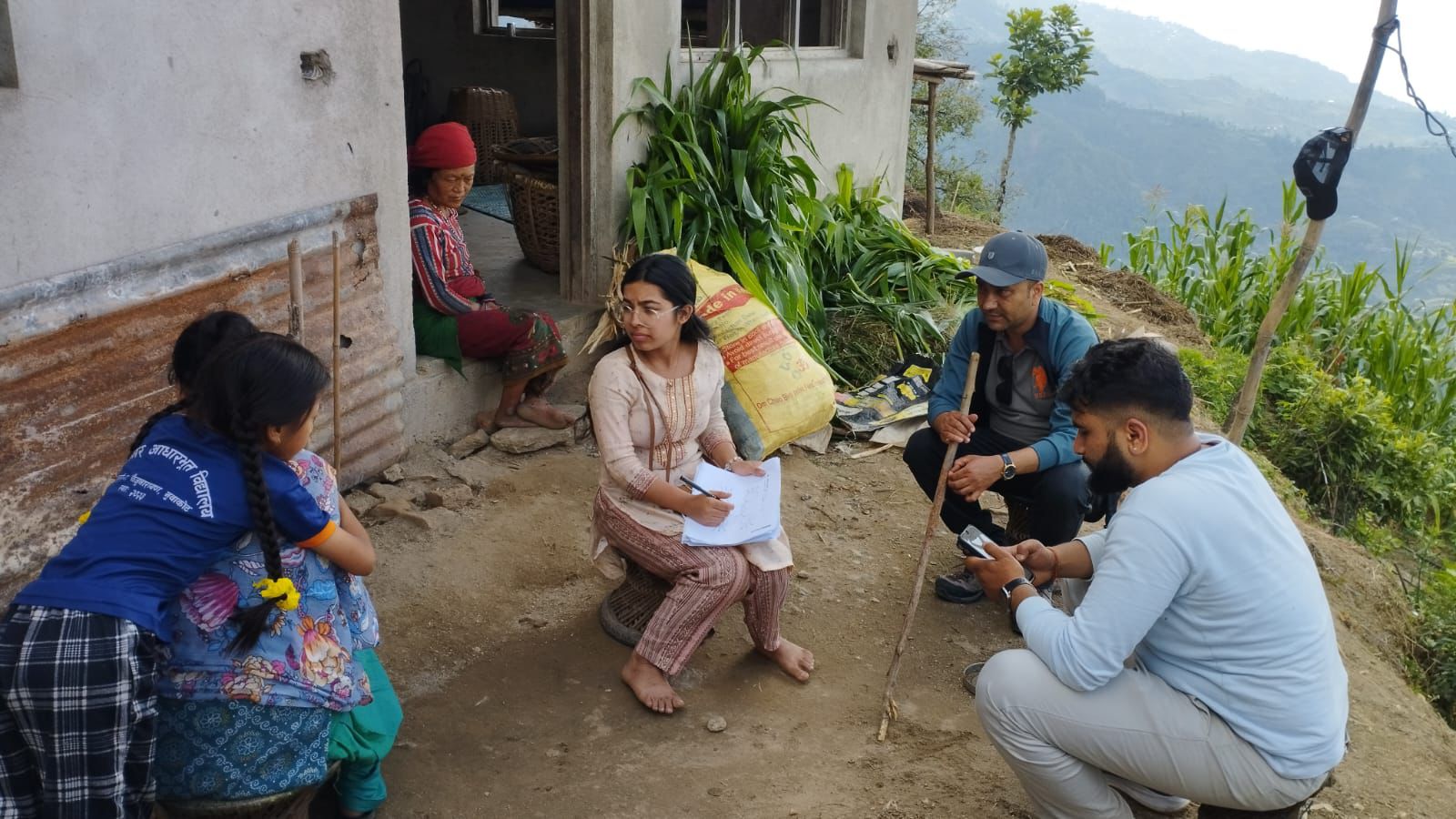
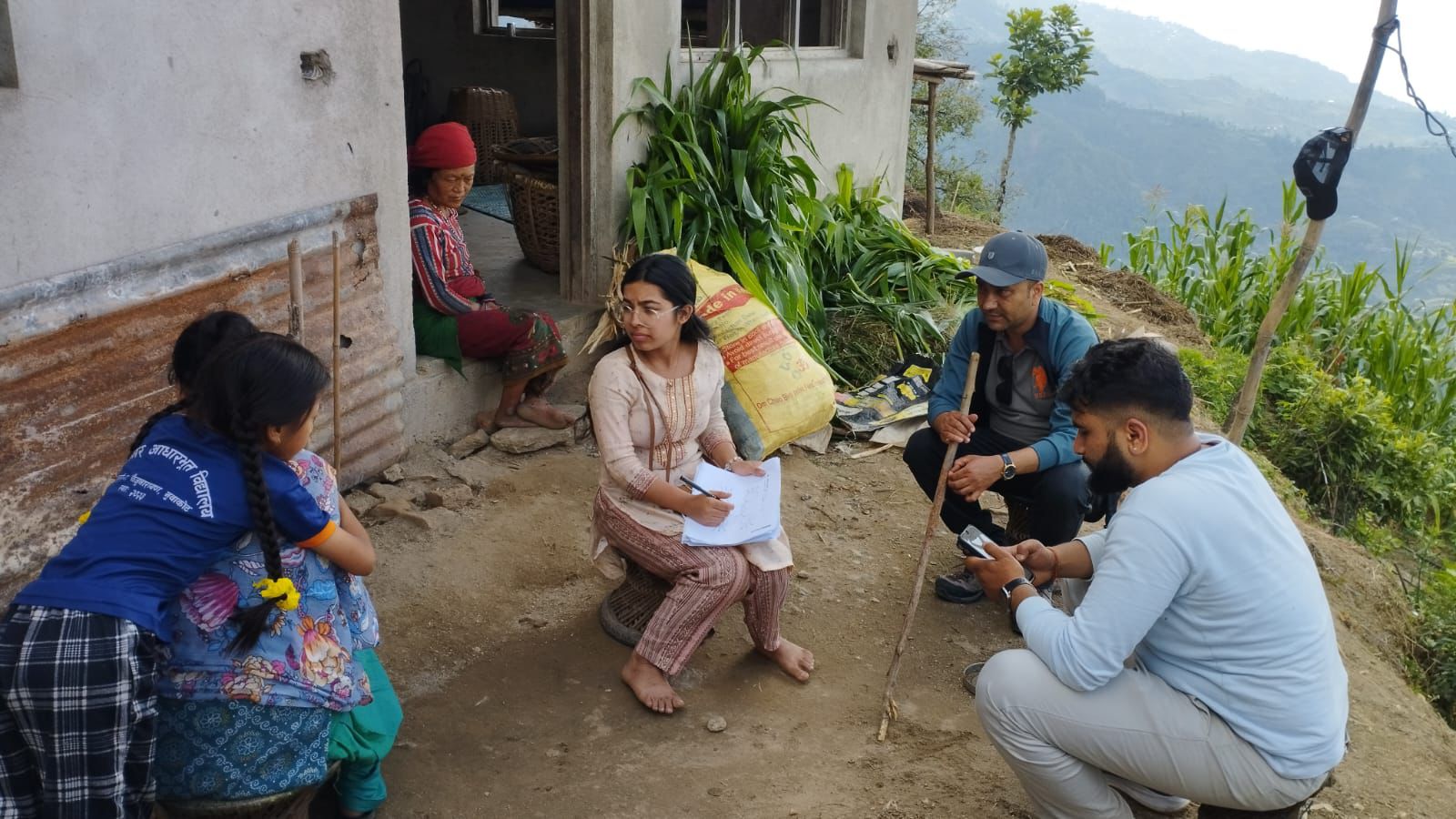
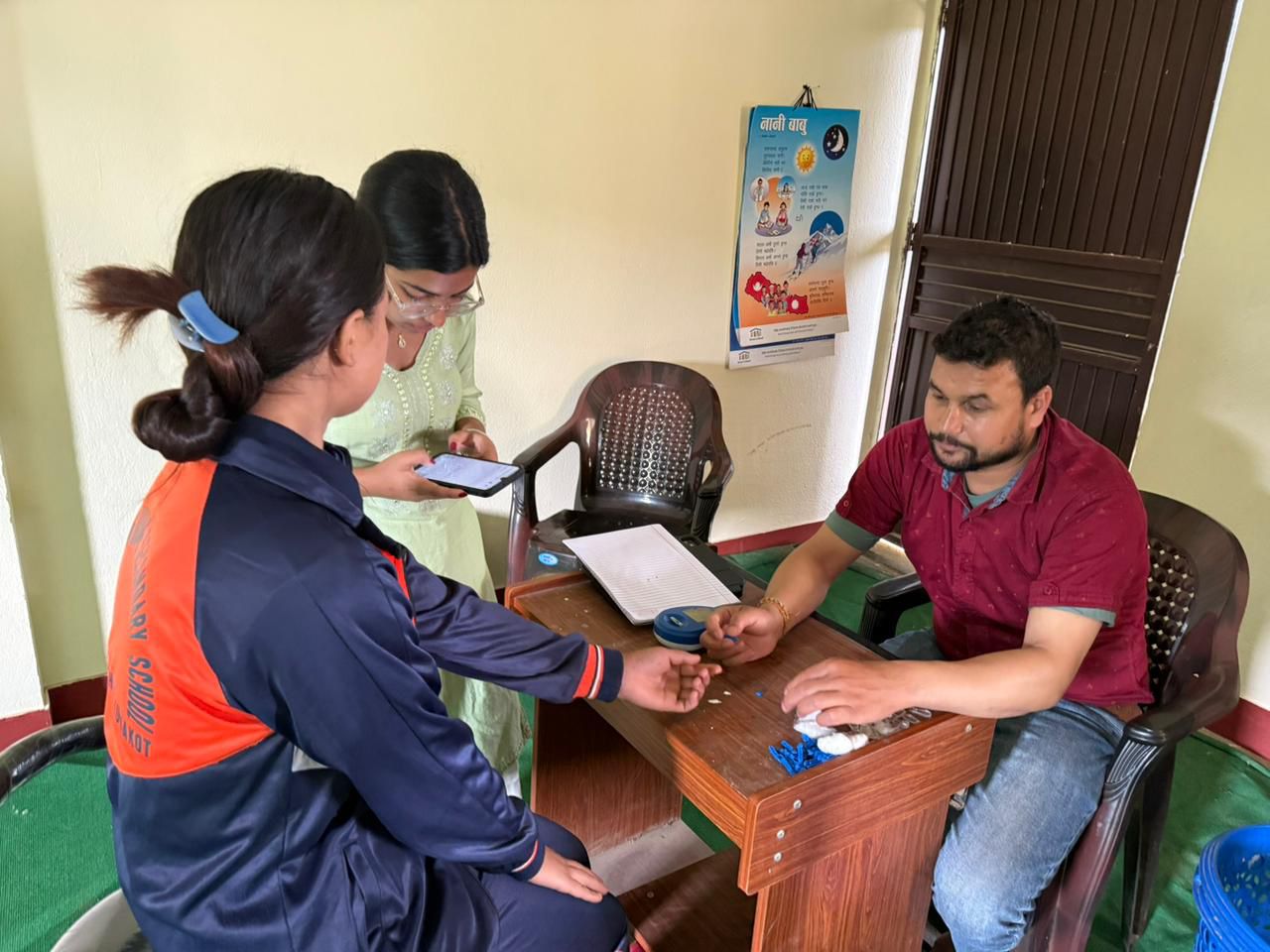
An investigation conducted by Global Envirotech Initiative Asia (GEI Asia) tested the blood of individuals across Humla, Solukhumbu, and Nuwakot districts. Once altitude correction was applied, the findings revealed a far more alarming reality:
In Humla, anemia prevalence among children and women increased from 28% to 76%.
In Solukhumbu, it rose from 11% to 60%.
In Nuwakot, prevalence climbed up from 60% to 80%.
Severe anemia, which was previously estimated at just 2%, surged to 16% across these districts after altitude adjustment.
For Anita, anemia is more than a statistic. It means missing out on games with friends due to exhaustion. It means struggling to focus in class. It means carrying the invisible burden of a condition that is preventable. Her family depends on local foods, but these foods lack enough iron. Although she lives in a clean and beautiful mountain area, she has limited access to iron medicines, health information, and proper medical care.
As I learned more about Anita’s story and the lives of children and women across these districts, I couldn’t help but be inspired by the tireless work of the organization on the ground. GEI Asia has gone beyond mere research, which has become a lifeline for these communities. Through health screenings, hemoglobin testing, and community outreach programs, GEI Asia is uncovering the hidden reality of anemia in high-altitude villages. What impressed me more was that they don’t just measure numbers; they educate families and implement innovative solutions. One exciting intervention is promoting cast-iron cooking pots, which naturally enrich food with iron and help reduce iron-deficiency anemia among children and women. The effort ensures that children like Anita are no longer invisible statistics—they are being seen, cared for, and supported. Thanks to their dedication, anemia is finally being recognized as a pressing issue in Nepal’s high-altitude villages, giving girls like Anita hope for a healthier, stronger future.
#GEIAsia #GEIGlobal #Irondeficiency #Nutritionmatters #PreventAnemia #Healthawareness #AnemiaAwareness
-Sambriddhi Basnet

Add New Comment