
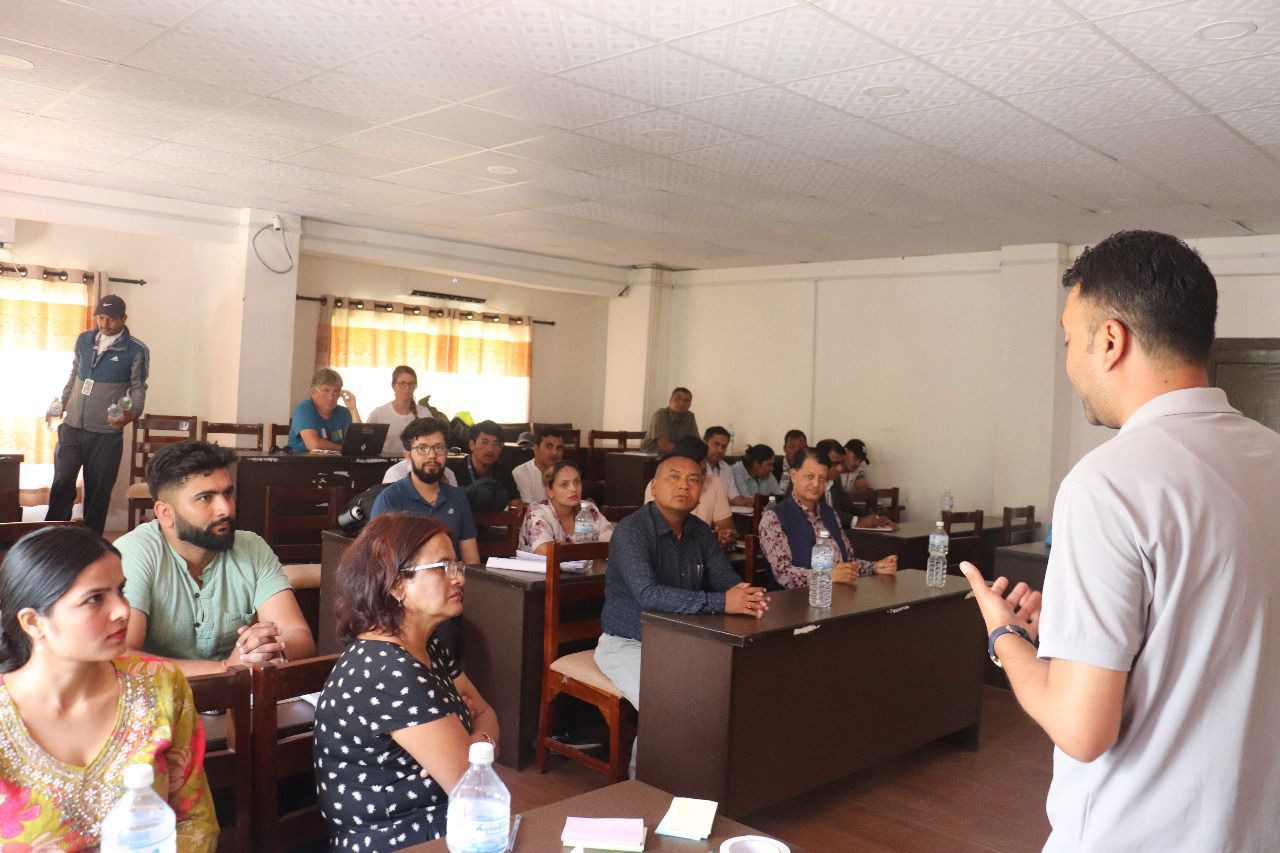
Anemia remains one of the most persistent public health challenges in low- and middle-income countries, mainly affecting children, adolescents, and women of reproductive age. Anemia remains highly prevalent in Nepal, yet many people are still unaware of its causes, symptoms, and long-term health consequences. This lack of awareness often leads to delayed diagnosis and inadequate prevention, particularly among women and children. Anemia is characterized by a reduced concentration of hemoglobin in the blood, limiting the body’s ability to transport oxygen effectively. Global Envirotech Initiative Asia (GEI Asia) has been actively involved in research to study the prevalence, determinants, and consequences of anemia in vulnerable groups because of its long-term impact on health, productivity, and quality of life.
During the study, we found a story of Sita and Maya. Sita is 11 years old. She attends school regularly but often feels tired, struggles to concentrate on her studies, and avoids playing with her friends as well. Her mother takes it lightly and assumes it’s just laziness or growth-related weakness. But there was a different reason for that; during the GEI Asia survey, Sita’s hemoglobin level falls below the WHO cut-off, which indicates that she is anemic. Likewise, her older sister Maya, who is 16 years old, also tests anemic. Maya helps at home, manages schoolwork, and has recently started menstruating. Neither sister had ever been tested before. For their family, the screening was very important for them to understand that persistent fatigue is not normal. Sita and Maya are not alone; they are the representations behind many anemic teenage girls who have been suffering silently and never have been tested before.
The findings indicate a high prevalence of anemia among children under five years, where 17 out of 43 screened children were identified as anemic. Similarly, among children aged 5-11 years, 19 out of 29 were found to be anemic, which often highlights ongoing nutritional vulnerability during early and middle childhood. 13 out of 41 teenagers between the ages of 12 and 14 that were screened were found to be anemic. All of the participants were female. 91 out of 265 women in the reproductive age range (15–49 years old) had anemia, which was the highest burden across all age groups.
In conclusion, anemia is still widespread mainly because many people do not know its causes and prevention methods. Anemia, though silent, leaves measurable footprints across every stage of life. According to GEI Asia’s research, treating anemia in Nepal highlights an integrated strategy that includes community involvement, nutrition, and health. Strong collaborations with local stakeholders and evidence-based treatments can be crucial in lowering the prevalence of anemia and enhancing general health outcomes, resulting in communities that are stronger and healthier. Likewise, GEI Asia screening data highlights the necessity of ongoing, focused, and gender-sensitive public health initiatives. GEI Asia’s work is inspiring as it turns a common household practice into a powerful health solution. Their approach proves that when communities are informed and supported with practical tools like iron pots, lasting change in anemia prevention is possible.
#Anemia #IronDeficiency #Irondeficiencyanemia #LowHemoglobin #Communities
#CommunityAwareness #Healthforall #Globalenvirotechinitiativeasia #GEIAsia #GEI Global #Prevention #PreventAnemia #Awareness #Publichealth
-Suvechha Karki
Add New Comment