
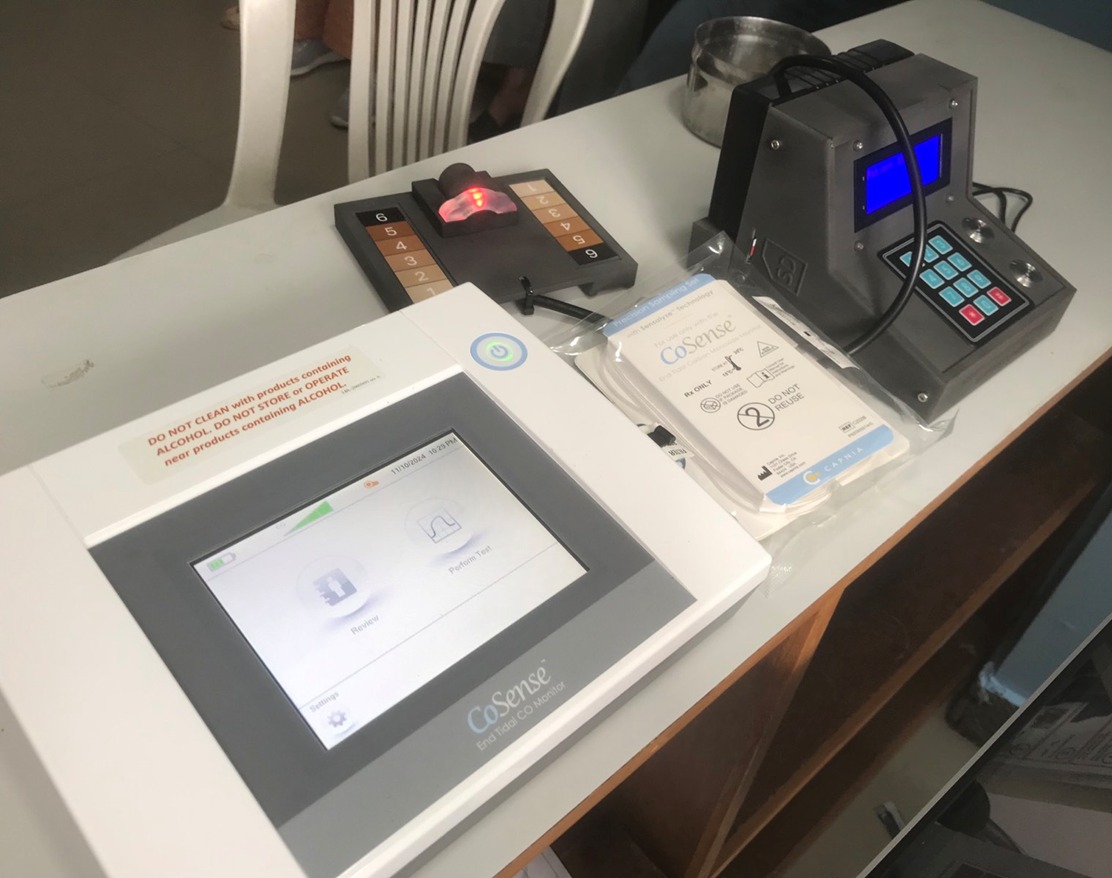
This pilot study evaluates the efficacy of two innovative diagnostic devices in clinical settings: the ASIST device, developed by the Center for Medical Innovation at the University of Utah, and the Co-sense monitor. Our research focuses on measuring hemoglobin levels via the ASIST device and end-tidal carbon monoxide using the Co-sense monitor.
The study primarily enrolls adolescent girls and pregnant women, with implementation currently underway at Dhulikhel Hospital and Barbardiya Municipal Hospital in Bardiya. By testing these point-of-care technologies, we aim to improve non-invasive screening for anemia and other health indicators in resource-limited environments.
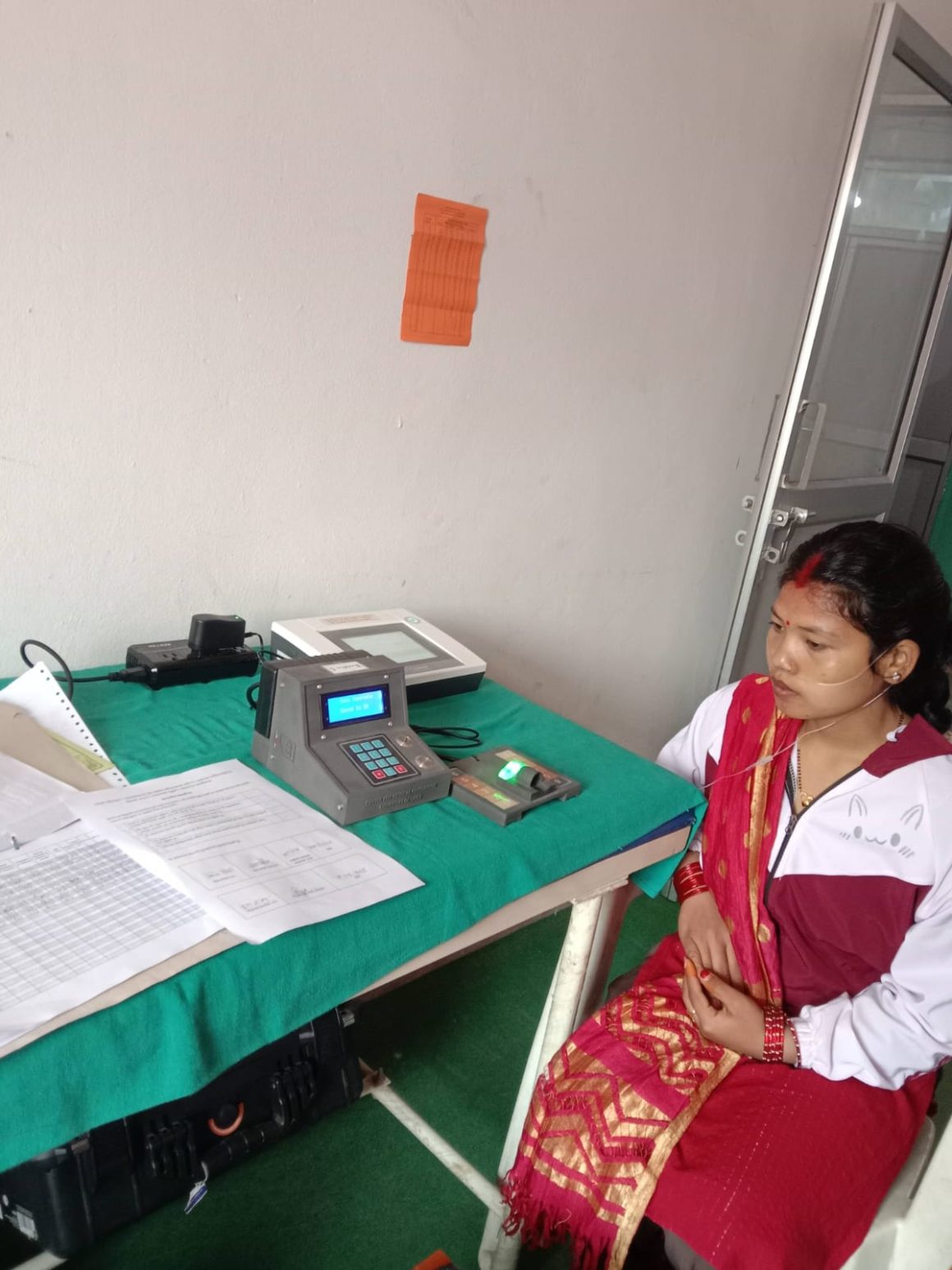
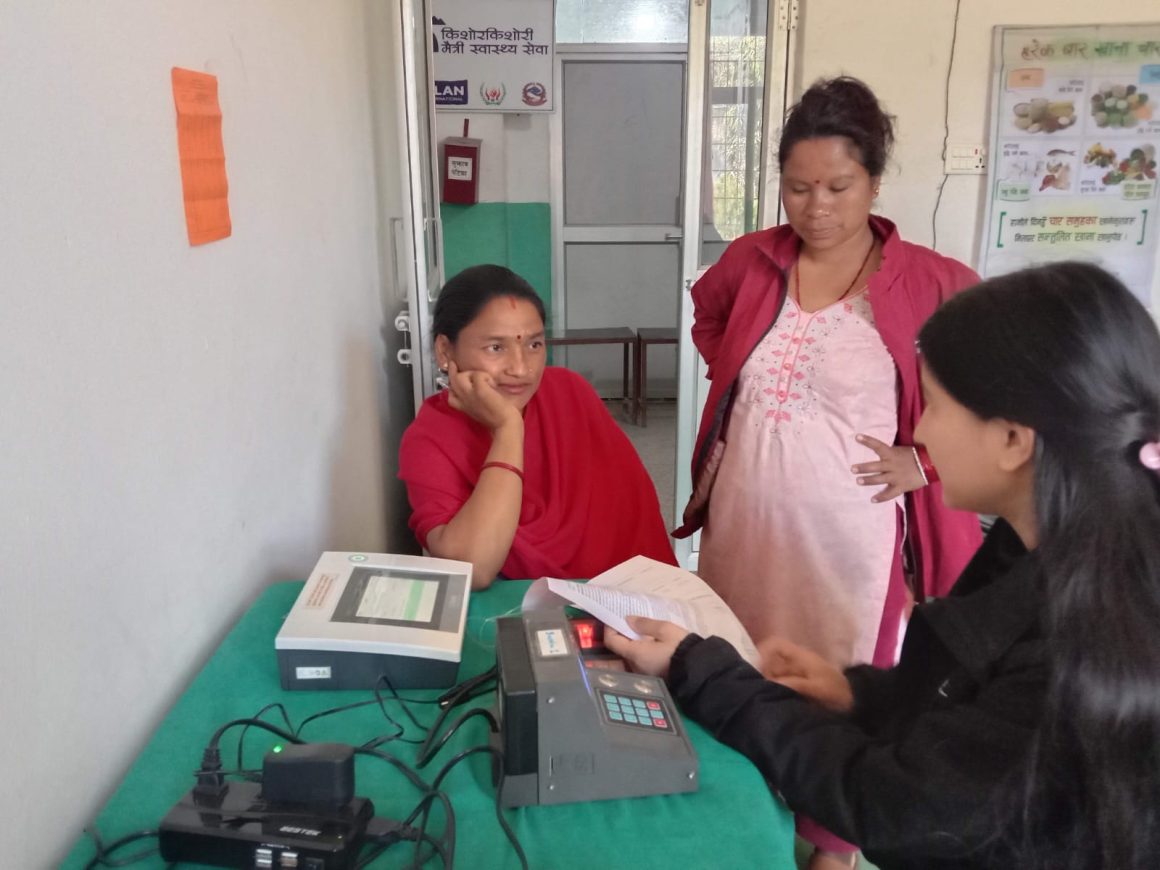
The Research Assistant (RA) will first explain the entire procedure to the participants. Following this, the informed consent form will be provided, and those who agree to participate will sign the form. The RA will then record the participants’ details on the form. Next, participants will be asked to place their finger inside the device, which will measure the wavelength from the finger. The RA will subsequently assess the color of the participant’s finger and wrist and assign a score ranging from 1 to 6 based on the predefined color scale in the device.
For the ECO measurement, the RA will attach a cannula to the CoSense device and place it in the participant’s nostril. The reading will be taken for approximately one minute, during which the device will record the participant’s end-tidal carbon monoxide level.